
Post Bariatric Body Contouring
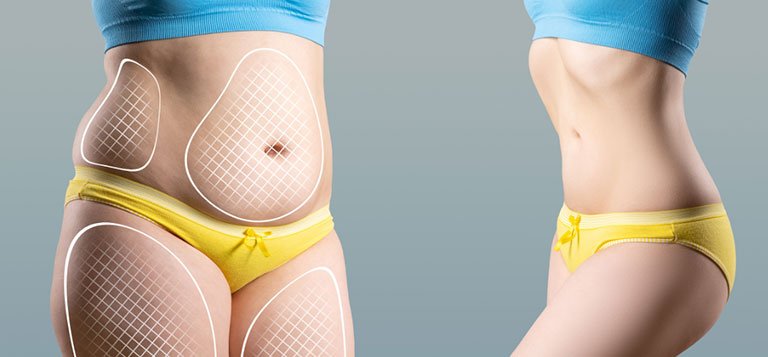
People who have undergone bariatric or obesity surgery in the past may have deflated skin in many areas such as the face, abdomen, arms, thighs, etc. When you are fat, your skin becomes stretched as much as possible. But when you lose a drastic weight with bariatric surgery or weight loss surgery, your skin cannot get back elasticity to conform to your new size. This causes loose, sagging skin, and folds, and pockets. This can be fixed with a body contouring surgery.
The floppy skin may hang from the upper arms, chest, tummy, upper thighs, buttocks, and suprapubic areas. These rolls of skin rub against each other and may cause hygienic problems and pose difficulty with physical activities.
The body contouring surgery removes excess sagging skin and improves the tone and shape of the body part. Body contouring surgery is performed by an experienced plastic surgeon Dr B.R.N. Padmini who has over 11 years of experience in the field of body contouring.
Why Do I Need to Have Body Contouring Surgery?
After losing excess weight after bariatric surgery, you may have extra folds of skin tissue. These extra folds can affect your physical appearance, and can cause the following issues:
- Discomfort
- You may develop ulcers, swelling, etc. between the skin folds in the groin. This can further lead to an infection
- You will have trouble walking
- You may also have trouble urinating
- Affects your self-esteem
- Your sexual activity also gets affected
- Difficulties with hygiene
- Makes exercises difficult
All the above problems can be eliminated by undergoing body contouring surgery after bariatric surgery.
How to Prepare for Surgery?
Post-bariatric body contouring may be considered once your weight loss is stabilized (usually 12-18 months post-bariatric surgery) and you have reached your ideal weight.
Before deciding on body contouring, Dr B.R.N Padmini will perform a full examination and evaluate your condition. She also explains what you can expect from the procedure and explains the things that may affect your recovery. You should ensure to follow a healthy lifestyle before the procedure.
Before undergoing a body contouring surgery, ensure you keep your weight stable. This is because losing weight further can cause more sagging skin. On the other hand, gaining weight can stress your skin and can lead to stretch marks. The surgeon may give the following instructions before performing the procedure:
- Avoid drinking and smoking a few weeks before your surgery
- You may need to stop using certain medications like blood thinners, Ayurvedic products and vitamin E supplements before the procedure
- Inform your doctor about health issues you may have
The most commonly affected areas are
- Very loose and sagging/hanging upper arms causing the appearance of bat wings/ bingo wings
- Flattened and hanging breast with nipples pointing downwards
- Overhanging skin circumferentially over the lower trunk causing apron-like overhang
- Buttocks/thighs/pubic areas/groins may sag causing overhanging skin
- Depending upon the areas affected and considering your priorities, our team of surgeons may prepare a comprehensive operative plan in a staged manner
What Happens During Body Contouring Surgery?
Post-bariatric body contouring surgery removes the excess overhanging skin and improves the tone of underlying tissues.
Before undergoing the body contouring surgery, you will be given general anaesthesia to make you fall asleep. The following are the commonly performed body contouring surgeries:
- Arm lift or brachioplasty: It is used to remove loose and sagging skin on the upper arms. For this, the surgeon makes an incision from the armpit to your elbow and then removes the skin to give a smooth body contour. The surgeon also opens the underside of the arm and pulls the skin tight. Arm lift surgery is usually combined with liposuction for better contour. In some patients with overhanging skin along the axilla and sides of the upper lateral chest, contouring may be done by L-brachioplasty. The scars are well hidden on the underside of the arms.
- Breast lift or mastopexy: A breast lift surgery removes the excess tissues from the upper breasts and repositions the breasts to a higher position. It can also be combined with breast augmentation to fill out the lost volume of the breasts.
- Tummy tuck: The loose overhanging skin in the lower abdomen can be fixed using a panniculectomy procedure. Patients who have hanging skin on the waist and back need a belt lipectomy. The incisions during both procedures are made in such a way that the scars are hidden in the underwear lines.
- Lower body lift: This is used to remove excess skin on the buttocks and thighs. Usually, this is combined with liposuction to remove excess fat and the skin will be tightened to give a smooth look. For thigh lift, a longitudinal incision starting from the groin to the knee is given and the excess skin is removed and the remaining skin is redraped and the incision is closed, leaving a tightened and attractive thigh. The outer thigh and buttock may be lifted through a hip-to-hip incision across the back above the buttocks.
Care after the Procedure
- You may have pain, swelling, and bruising in the treated areas for about one week. You will be given pain medications to deal with the pain.
- You should drink more water and liquids to stay hydrated.
- For arm lift and mastopexy, you may be advised to avoid stretching of arms beyond 30 degrees, for tummy tuck avoid back stretching and for lower body lift, avoid stretching depending upon the placement of the incision and as prescribed by your surgeon. Completely avoid heavy exercise for 6-8 weeks.
- You may be advised to stop smoking for 2-4 weeks to avoid wound healing problems.
- You may be advised to wear a surgical compression garment 24×7 to be continued till 6 weeks, to reduce the swelling, to improve comfort and to give better contours to the operated areas.
- You need to attend the outpatient clinic once in 3-4 days for a period of 10-14 days for suture line care. All your sutures are absorbable and need not be removed.
- You may be advised to start lymphatic massages once the wounds are dry. They aid in reducing pain, swelling, and bruising, achieving better contours and avoiding the formation of any nodules.
- Once the wounds are dry, you need to follow a scar modulation protocol to improve the appearance of scars.
- The results of the body contouring become visible right after your surgery. However, it may take up to a few months to see the full results. The results of the procedure will last if you maintain a stable weight after the surgery.
Meet Dr B.R.N Padmini Today If You Want to Undergo Body Contouring Surgery
If you are willing to fix your sagging and loose skin due to a weight loss surgery, Dr B.R.N Padmini can be your go-to place. She helps you get a perfect body shape using the most advanced body contouring treatments. She conducts a thorough examination of your case and designs the treatment in consultation with you. Do not waste your time and get your assessment at the earliest by scheduling a consultation.
Frequently Asked Questions
How do body contouring surgeries help me after bariatric surgery?
Bariatric surgery reduces the body mass index, but the excessive and overhanging skin in various body areas keeps reminding you of the previous obesity and poses many hygienic issues regarding wearing appropriate clothing and remaining as a restraint for physical activity. Post bariatric body contouring addresses all these issues and restores the sense of normally by reshaping the body to its ideal proportions and the success of weight loss surgery is realized.
Are there different types of body contouring procedures?
There are different types of body contouring surgeries depending upon the area of sagging. Your plastic surgeon suggests the right procedure for you after detailed consultation and physical examination
How many days after the Bariatric surgery can I undergo body contouring?
It is important for bariatric patients to achieve weight stability before proceeding with body contouring. Patients should have stable weight for a minimum of 12 – 18 months. This is important because weight fluctuations both gain or loss may affect the aesthetics of the body contouring procedure. This may lead to poor outcomes and increase the incidence of the need for secondary procedures.
How long will a body contouring surgery take?
The time required to perform the body contouring surgery is based on the area that needs to be treated.
How much weight can I lose with body contouring?
Body contouring surgery is not a weight loss surgery. It helps to improve your body shape and thereby improves your appearance. In general, you can lose up to 2kgs with the procedure.
Are there any risks?
A body contouring surgery may also cause some risks such as:
- Infection
- Bleeding
- Changes in skin sensation
- Scar migration
Hence, you should inform your surgeon about your pre-existing conditions. She can determine whether you are at a greater risk of having side effects. Our staff is happy to discuss any concerns you may have.
How many surgical procedures can be done in each stage?
Each individual is different in terms of location of the sagging skin, specific goals and priorities.
Stage 1: The tummy and flank areas are popular starting points because tightening of these areas often exerts tightening of the adjacent area such as outer thighs. This may be combined with thigh lifts for extensive improvements.
Stage 2: Patients may undergo breast lift/breast reduction/breast augmentation along with arm lift.
Stage 3: if needed thigh and buttock lift to maximize the recovery, few months gap is necessary in between the staged procedures.
Our surgeon Dr B.R.N Padmini creates a customized treatment plan for you after discussing about your specific needs.
How long do the results of post-bariatric body contouring last?
The major factor that affects the longevity of results in post bariatric body contouring is weight fluctuation. The altered skin/ soft tissue characteristics related to previous obesity lead to scar migration and soft tissue laxity leading to contour deformities. Long-term results can be achieved only if the patients are able to maintain their weight.