
Liposuction Surgery
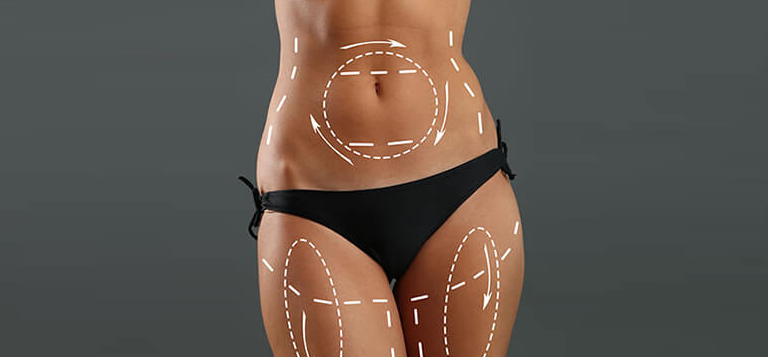
Liposuction is a surgical procedure used to remove unwanted fat from specific areas of the body. If you have been tired of dieting and exercising to lose your stubborn fat, liposuction can help you. Along with removing unwanted fat, liposuction also improves your body contour.
Not everyone who is fat needs liposuction. Diet and exercise can help you lose more weight if you are overweight. But liposuction is required if you have excess fat in specific areas of your body.
For men, liposuction can often successfully treat gynecomastia and other fat areas around their torso, while women use it more commonly around the tummy, hips and thighs.
Why Should I Consider Liposuction?
Liposuction can be used to remove fat from certain areas of the body that do not respond to diet and exercises such as:
- Abdomen
- Arms
- Buttocks
- Thigh
- Chin
- neck
- Knees
- Hips
- Calves
Liposuction can be combined with other procedures as well. Liposuction can also be used to reduce excess breast size in men. This condition is called gynecomastia.
Liposuction cannot be considered as an alternative to diet and exercise. It is also not suitable for treating dimple skin from cellulite. It is also not effective for stretch mark removal.
Who Can Have Liposuction Procedure?
Not every man and woman are a good candidate for liposuction. One should meet the following criteria to undergo liposuction:
- You should be in good health
- You should have an above-average weight
- Diet and exercises do not help you lose your stubborn fat
- You should be a non-smoker
- You should have realistic expectations from the procedure
- You should have good muscle tone and firm skin with good elasticity
You are not suitable for liposuction if you have any of the following:
- Very high BMI
- Underweight
- Serious life-threatening health issues
- Poor skin quality
- Stretch marks
- Cellulite
Preparing for the Liposuction Procedure
Before undergoing a liposuction procedure, your surgeon will review your medical history and will ask you about the medical conditions you have. You should also inform them about the medications if you are using any. The surgeon will explain the effectiveness, and what can you expect from the procedure. The surgeon also suggests the best treatment for you.
The surgeon will give you certain instructions to be followed before the procedure such as:
- Stop using certain medications such as blood thinners a week before your surgery
- Get certain lab tests done before the procedure
- Avoid smoking at least 2 weeks before the procedure.
Our team of surgeons will examine you thoroughly and evaluate the areas of fat that need to be addressed, desired amount of fat to be removed, any negative areas of the body where liposuction should not be performed, any scars, sites of incision placement, and also the quality of the skin.
What Happens During Liposuction?
Before performing the procedure, the surgeon will make lines and circles on the areas to be treated. Photos will be taken for medical records and for comparison after the procedure. Liposuction can be performed using different techniques. The liposuction techniques will be determined by the surgeon based on your goals, area to be treated, etc.
Before beginning the procedure, you will be given anesthesia to ensure you do not experience pain during the procedure. The surgeon may use either general or local anaesthesia. The different techniques of liposuction include:
- Suction liposuction: It is a popular type of liposuction. Your surgeon will make small incisions in your skin to insert a suction device that contains saltwater and medicines into the fatty areas to be treated. Then the excess fat will be removed through a suction tube. After completing the procedure, the incisions will be closed with stitches and bandages.
- Ultrasound-assisted liposuction: During this type of liposuction, the surgeon inserts a metal rod that produces sound waves under the skin. The sound waves burst the fat cells and liquify them. The liquified fat will then be removed using suction liposuction.
- Power-assisted liposuction: This procedure makes use of a thin tube that is moved back and forth rapidly. The vibration lets the surgeon to pull out the fat easily. This type of liposuction is used to remove a large amount of fats. It is also used in situations where you had liposuction in the past.
- Laser-assisted liposuction: During this procedure, the surgeon uses a laser fibre to break down the fat deposits. The laser energy is passed through a small tube which is inserted through a small incision. After the procedure, the incisions are left open to drain excess fluid from the body.
- Radiofrequency assisted liposuction- this latest modality of treatment helps in tightening the skin and fibrous structures ultimately helping in the betterment of contour.
Liposuction involves the injection of a solution containing local anesthetic and adrenaline (to aid in lesser blood loss) beneath the area of concern to help minimize bleeding, bruising and discomfort. Then the fat cells are loosened and suctioned in a controlled and layered manner with the aid of a cannula attached/connected to a negative suction to produce an improved contour.
After the Liposuction Procedure
- You may expect bruising, swelling, blunting of sensations, and hardness over the operated areas for a few days.
- You may be advised to wear a compression garment to make you comfortable, and reduce the swelling and bruising. The compression garment may have to be worn 24/7 for a period of 4-6 weeks.
- You may be advised to follow lymphatic massages once the sutures become dry, usually after 1week. They may have to be followed strictly for 4-6 weeks. These make you pain-free, minimize the bruising, reduce swelling in the operated area and also to achieve better contours.
- Sutures over liposuction cannula sites may be removed after 1week.
- You may be advised to refrain from heavy exercise, and gym for a period of 6 weeks.
Post Operative Recovery
- The patient may experience soreness, bruising, and swelling for a period of 5-7 days and eventually all these comedowns in the 2nd week
- You may expect a period of 1 month for the sensations to return back
- You may be expected to return to work in 5-10 days depending upon the extent of surgery and the nature of your professional work.
Results
It may take up to several weeks for the swelling to disappear. The results are not visible until the inflammation is cleared. Once the swelling reduces, the treated area looks less bulky and looks slimmer. The liposuction results last for a long time if you maintain your body weight. If you gain weight, the fat distribution changes and you may develop fat in other portions.
Want to Get Rid of Stubborn Fat? Schedule an Appointment with Dr B.R.N Padmini Today
Dr B.R.N Padmini has been performing cosmetic procedures in Hyderabad for over 13 years. She has gained vast knowledge and expertise in liposuction and other cosmetic procedures. She takes the necessary measures and makes adjustments to ensure you undergo treatment with her in a safe manner. She follows all the standards and guidelines to reduce the risk of contamination. She is always ready to help you in whatever way she can. If you have any questions or want to know your options, feel free to reach out and she is delighted to guide you through the process.
Frequently Asked Questions
What are the benefits of liposuction?
With liposuction, stubborn fat can be easily removed and you will have minimal scarring after the procedure. It can also reshape your body.
Are the results permanent?
The liposuction procedure permanently removes the fat cells. But it cannot stop you from gaining weight in the future. If you gain weight with new fat cells, the fat may get distributed to other body parts.
What areas can be treated with liposuction?
Liposuction is suitable for fat removal from virtually any part of the body, but popular areas include the lower back, inner thighs, upper arms, chin, hips, abdomen, loins, and posterior chest (bra strap area) and enlarged breast in males.
Are there any risks?
Any major surgery has some risks or complications. Liposuction also has some risks such as:
- Collection of fluid and blood
- Skin infection
- Contour deformities
- Rarely fat embolism, Blood clots in a vein
- Temporary numbness
Will I have scars?
The cannulas used for liposuction are very fine (3mm, 5mm). The incisions are placed in the natural skin creases or stretch marks and the scars are almost negligible.
When can I see the results?
You will notice a change in your body shape as the swelling reduces. It may take up to six months to see the results.
How much weight can I lose with liposuction?
The amount of weight you lose with liposuction is based on the area treated, your goals, and the amount of fat removed. Liposuction is primarily to reduce stubborn fat, not a weight loss surgery.
Will I have unbearable pain after the procedure?
You may have some pain, and swelling during the first few days of your recovery. You will always be kept comfortable by means of painkiller medication.
In which condition I cannot consider liposuction?
- If you have loose, sagging skin- Liposuction is designed specifically to target fatty tissue, it will not significantly improve the appearance of loose skin. Other body contouring procedures, such as a tummy tuck or body lift, may be better options for you.
- You want to lose a significant amount of weight- Liposuction can improve your shape, which can help you look thinner and more fit, but it’s not a weight loss method.
What is the cost of liposuction?
The cost of liposuction is based on how many areas should be treated, the techniques used, the surgeon’s experience, etc. We may tell you the exact cost once you consult the surgeon and come to a conclusion about the plan of management.
Do I need any post-surgical care?
You need to wear compression garments after surgery to reduce swelling and promote healing. You may need follow-up appointments with your surgeon to ensure you are healing. The surgeon also watches for fluid collection in the treated area. If fluid gets collected, it is drained in your follow-up visits.
How much fat can be removed?
Contrary to popular belief, liposuction is not a weight-loss treatment. Instead, it is a fat reduction procedure. The amount of fat that can be removed in an area during a single procedure will vary depending on a variety of factors, including the surgeon’s assessment of the patient’s health and his or her aesthetic goals. It is advisable not to remove beyond 5-7 percent of the body weight of fat in one session to keep away from complications.
Any other surgery can be combined with liposuction?
Yes, liposuction is often combined with other surgical tucks where the excess skin needs to be removed. Liposuction is performed in these surgeries before the actual surgery to remove the excess fat and to make the tissue more supple and malleable or stretchy, so that the wound edges can be approximated in layers without tension.
What is the limiting factor for liposuction?
Liposuction is solely a shaping procedure for areas of genetic fat deposits which are diet and exercise resistant. The best results can be achieved in people with good muscle tone, and good-quality of elastic skin. In people with poor-quality of skin and sagginess, proper cosmetic results may require a combination of liposuction and surgical skin tightening.